Creating a Happy Home Environment for Your Pet
Creating a Happy Home Environment for Your Pet
A home should be more than a place where a pet eats and sleeps. It should be a safe, comfortable, and stimulating environment where a pet can rest, play, explore, and feel secure. Whether you have a dog, cat, rabbit, bird, or another companion animal, small changes around the home can make a meaningful difference to their daily life.
Creating a happy home environment does not necessarily require expensive products or a large amount of space. What matters most is understanding your pet's basic needs and creating routines that provide safety, comfort, mental stimulation, social interaction, and appropriate exercise.
This guide explores practical ways to make your home more welcoming and pet-friendly while helping your companion develop healthy everyday habits.
1. Create a Safe Space for Your Pet
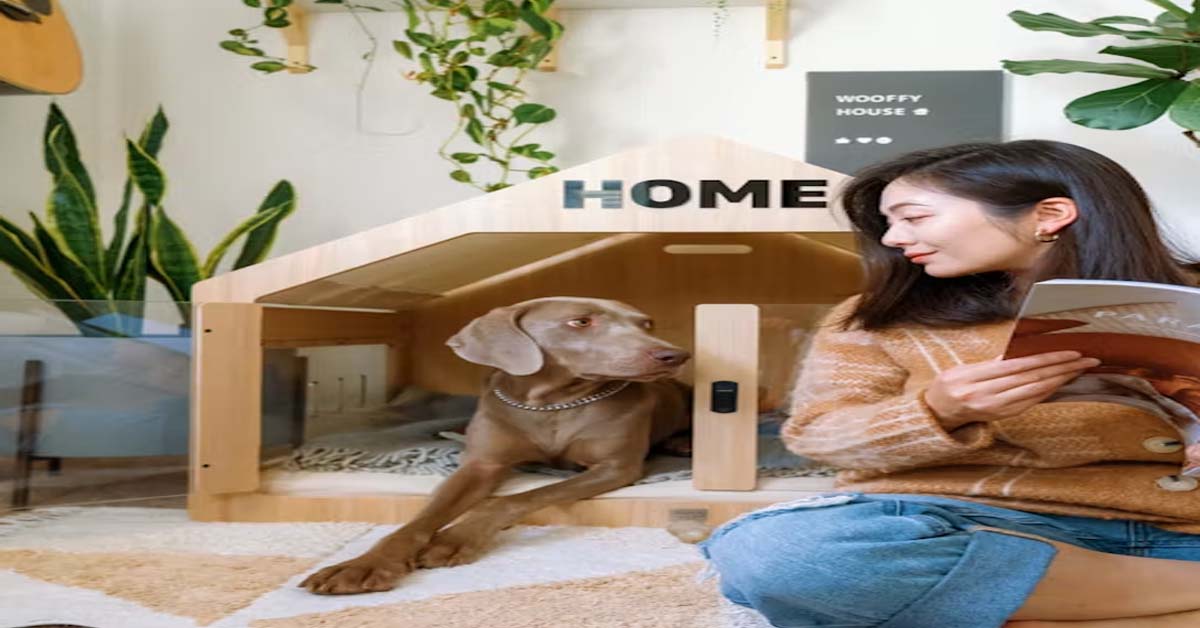
One of the most important parts of a pet-friendly home is having a dedicated area where your pet can relax.
Pets sometimes need quiet time away from household activity. A comfortable bed, mat, enclosure, or other suitable resting area can give them a place to retreat when they want peace.
The location should be appropriate for the type of pet you have. Avoid placing a resting area somewhere with constant foot traffic, excessive noise, extreme temperatures, or other potential hazards.
A designated space can also make your pet feel more comfortable because they gradually learn that it is their own familiar area.
2. Remove Potential Household Hazards
Pets are naturally curious, and everyday household objects can sometimes become dangerous when they are within reach.
Walk around your home from your pet's perspective and look for potential hazards.
Depending on the animal, these may include:
-
Electrical cords
-
Small objects that could be swallowed
-
Cleaning products
-
Certain household plants
-
Open containers
-
Unsecured windows or balconies
-
Hot surfaces
-
Sharp objects
-
Easily accessible medications
Store potentially harmful substances securely and keep small objects away from pets that may chew or swallow them.
Pet-proofing your home is an ongoing process because your pet's behavior and access to different areas can change over time.
3. Provide Comfortable Sleeping Arrangements
Good rest is essential for animals.
Choose a sleeping arrangement that suits your pet's size, age, species, and individual preferences. Some pets prefer soft beds, while others may prefer cooler or firmer surfaces.
Keep bedding clean and inspect it regularly for damage.
The sleeping area should also be located somewhere with a comfortable temperature and away from unnecessary disturbances.
If you have more than one pet, consider whether each animal has enough personal space to rest comfortably.
4. Keep Food and Water Areas Clean
Food and water should have their own clean and accessible areas.
Wash food and water bowls regularly and make sure your pet has access to fresh water appropriate to its needs.
Keep feeding areas away from cleaning chemicals and other household hazards.
Feeding routines can also provide structure. Depending on the species and veterinary guidance, having consistent mealtimes can help establish a predictable daily routine.
Avoid making major changes to a pet's diet without appropriate veterinary guidance, particularly if your pet has specific nutritional needs.
5. Give Your Pet Opportunities to Play
Play is an important part of creating an enjoyable home environment.
Different animals enjoy different forms of play. Dogs may enjoy retrieving or interactive games, while cats often benefit from toys that encourage chasing, searching, and movement. Small animals and birds may also need species-appropriate enrichment.
The key is to choose activities that are suitable for your pet rather than assuming every animal enjoys the same type of entertainment.
Rotate appropriate toys and activities occasionally so the environment does not become boring.
6. Encourage Mental Stimulation
Physical activity is only one part of a happy pet's daily life. Mental stimulation is also important.
Pets can become bored when their environment offers very little variety.
Simple enrichment ideas can include:
-
Safe puzzle activities
-
Food-searching games
-
Training sessions
-
Rotating suitable toys
-
Exploring different safe areas
-
Supervised play
-
New commands or behaviors
Mental enrichment should always be appropriate for the animal's species, age, abilities, and temperament.
Short activities can be enough. You do not need to turn your home into a complicated playground.
7. Establish a Predictable Routine
Pets often benefit from predictable daily routines.
Try to maintain reasonably consistent times for feeding, exercise, play, training, and rest.
A routine can help an animal understand what to expect throughout the day.
Of course, life does not always follow a perfect schedule. The goal is not to make every day identical but to provide enough consistency to help your pet feel secure.
8. Make Exercise Part of Daily Life
Appropriate physical activity can contribute to your pet's overall well-being.
The right amount and type of activity depends on the species, breed, age, health, and individual needs of the animal.
For dogs, exercise may involve walks and play. Cats may benefit from indoor movement and interactive play. Other animals may require different forms of activity.
Avoid assuming that more exercise is always better. A pet's needs should be considered individually, and unusual changes in activity levels should be discussed with a veterinarian when appropriate.
9. Give Your Pet Attention and Social Interaction
Pets need appropriate social interaction, but the amount and type varies considerably between species and individuals.
Spend quality time with your pet through gentle interaction, play, training, grooming, or simply being nearby.
Pay attention to their body language. If your pet moves away, hides, becomes tense, or shows other signs that they want space, respect that signal.
Creating a happy home does not mean constantly interacting with your pet. It means giving them opportunities to choose when to interact and when to rest.
10. Keep Your Home Clean
A clean environment benefits both pets and people.
Regularly clean sleeping areas, food and water bowls, litter areas, cages, toys, and other pet-related items.
Vacuuming or sweeping regularly can also help manage fur, feathers, dirt, and other debris.
However, choose cleaning products carefully and keep animals away from areas where potentially harmful substances are being used until they are safe to return.
Always follow product instructions.
11. Create Pet-Friendly Boundaries
Not every area of the house needs to be accessible to your pet.
Some rooms or areas may contain fragile objects, cleaning supplies, electrical equipment, or other hazards.
Use appropriate physical barriers or closed doors when necessary.
Clear boundaries can also make household routines easier. Your pet can learn which areas are available for play, sleeping, eating, and exploring.
Consistency is important. If a particular area is off-limits, household members should follow the same rule.
12. Choose Pet Products Carefully
Pet stores offer an enormous variety of beds, toys, bowls, grooming products, furniture, and accessories.
However, buying more products does not automatically create a better environment.
Before purchasing something, ask:
-
Is it appropriate for my pet?
-
Is it the correct size?
-
Is it made from suitable materials?
-
Can it be cleaned easily?
-
Could it create a choking or swallowing risk?
-
Is it durable enough for the animal?
-
Does my pet actually need it?
Safety and suitability should always come before appearance or trends.
13. Make Grooming Comfortable
Grooming can become a positive part of a pet's routine when it is handled appropriately.
Depending on the species, grooming may include brushing, bathing, nail care, coat maintenance, or other routine care.
Introduce grooming gradually and use appropriate equipment.
If your pet becomes extremely frightened or distressed during grooming, seek advice from a veterinarian or qualified animal-care professional rather than forcing the process.
14. Provide Safe Access to Windows and Outdoor Views
Some pets enjoy watching activity outside.
For cats and other suitable animals, a secure window area can provide visual stimulation. Dogs may also enjoy looking outside from a safe location.
However, windows, balconies, and doors should be evaluated carefully for escape or fall risks.
Never assume an area is safe simply because your pet has not had an accident before.
If you provide outdoor access, make sure it is secure and appropriate for the species.
15. Give Your Pet a Variety of Experiences
A stimulating home does not need to change dramatically every day.
Small changes can provide variety.
For example, you can rotate appropriate toys, introduce a new training activity, rearrange certain enrichment items, or provide a different safe area for exploration.
The objective is to create opportunities for curiosity without creating unnecessary stress.
Some animals prefer predictable environments, so introduce changes gradually and observe how your pet responds.
16. Respect Your Pet's Personality
Every pet has its own personality.
Some animals are highly social and energetic. Others are quiet and independent. Some enjoy exploring, while others prefer familiar surroundings.
Avoid comparing your pet with another animal.
Instead, learn what makes your own pet comfortable.
Watch their behavior and notice patterns in how they respond to food, play, visitors, noise, handling, and changes in their environment.
Understanding your pet's individual personality allows you to create a home that genuinely suits them.
17. Help Your Pet Feel Comfortable Around Visitors
Visitors can be exciting or stressful for pets.
When guests arrive, provide your pet with options. A social animal may enjoy greeting visitors, while a nervous animal may prefer to stay in a quiet room.
Tell visitors how to behave around your pet, particularly if the animal does not enjoy being handled.
Children should be taught to treat animals gently and respectfully. They should also understand that pets need personal space and should not be disturbed while eating or sleeping.
18. Keep Veterinary Care Part of the Routine
A happy home environment is not a replacement for professional veterinary care.
Regular veterinary checkups, vaccinations, parasite prevention, dental care, and other appropriate health services can help support your pet's well-being.
The exact care schedule depends on the animal and its individual circumstances.
Pay attention to significant changes in behavior, appetite, drinking, movement, bathroom habits, or energy levels. If something seems unusual or concerning, contact a veterinarian for appropriate advice.
19. Create a Calm Environment
Noise and constant activity can be stressful for some animals.
Try to provide a calm area where your pet can retreat when the household becomes busy.
During celebrations, construction, storms, or other noisy events, give pets a secure and familiar space away from unnecessary disturbance.
Soft background sounds, familiar bedding, and normal routines may also help some pets feel more comfortable.
If your pet regularly shows signs of significant fear or anxiety, discuss the situation with a veterinarian or qualified animal behavior professional.
20. Make Time for Training
Training is not only about teaching commands. It can also strengthen communication between pets and their caregivers.
Short, positive training sessions can provide mental stimulation and help establish useful household behaviors.
Use methods that are appropriate for the species and focus on rewarding desired behavior rather than frightening or hurting the animal.
Training should be age-appropriate and adjusted to the individual pet's abilities.
21. Review Your Pet's Environment Regularly
Your pet's needs can change as they grow.
A young animal may need different sleeping arrangements, toys, boundaries, and enrichment compared with an older animal.
Regularly review your home and ask:
-
Is my pet still comfortable?
-
Are their sleeping areas suitable?
-
Are their toys still safe?
-
Do they have enough enrichment?
-
Has their mobility changed?
-
Are there new hazards in the home?
-
Does their routine need adjustment?
Small changes can keep the environment suitable throughout different stages of your pet's life.
Final Thoughts
Creating a happy home environment for your pet is mainly about meeting their needs for safety, comfort, appropriate activity, mental stimulation, social interaction, and rest.
You do not need an expensive home or a large collection of pet products. A clean and secure space, a predictable routine, suitable enrichment, nutritious food, fresh water, appropriate exercise, and caring attention can make a significant difference.
Most importantly, learn to understand your pet as an individual. Pay attention to their behavior, respect their boundaries, and adjust their environment as their needs change.
A thoughtful home gives pets more than physical comfort. It provides a sense of security and creates the foundation for a positive relationship between animals and the people who care for them.