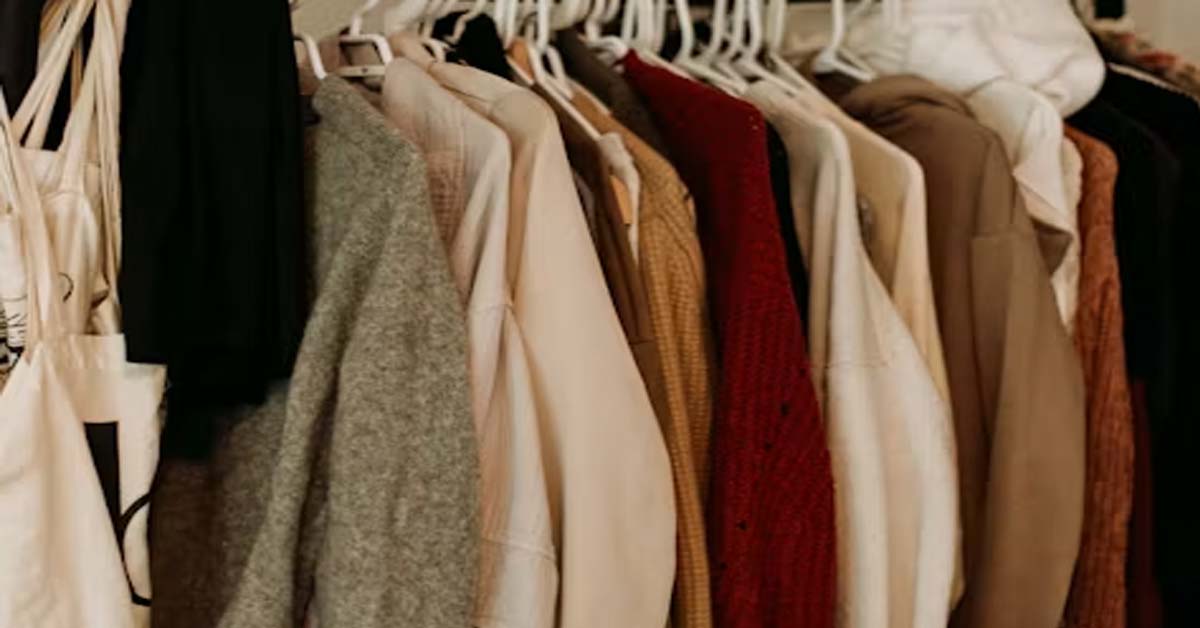
How to Build a Versatile Wardrobe That Works for Every Season
How to Build a Versatile Wardrobe That Works for Every Season
Building a versatile wardrobe does not mean owning hundreds of clothes. In fact, a well-planned wardrobe can contain fewer pieces while giving you more outfit combinations. The secret is choosing clothing that works together, suits different occasions, and can be layered or adjusted as the weather changes.
A seasonal wardrobe should make getting dressed easier rather than more complicated. Whether you are going to college, work, traveling, attending an event, or simply spending a day at home, having reliable wardrobe essentials can save time and reduce unnecessary shopping.
The most effective approach is to focus on quality basics, versatile colors, suitable fabrics, layering pieces, comfortable footwear, and accessories. With these elements, the same clothing can often be styled differently throughout the year.
What Is a Versatile Wardrobe?
A versatile wardrobe is a collection of clothing pieces that can be combined in many different ways. Instead of buying individual outfits designed for only one occasion, you choose items that can work with several other pieces.
For example, a simple shirt can be worn with jeans for a casual outfit, trousers for a more polished look, or underneath a sweater during colder weather.
Similarly, a lightweight jacket can work during spring and autumn and can even be layered under a heavier coat in winter.
The goal is to create a wardrobe where most pieces complement one another.
Start With Your Lifestyle
Before buying new clothes, consider your daily routine.
Think about where you spend most of your time and what types of clothing you actually need.
Someone who works in an office may need more formal trousers, shirts, blazers, and smart shoes. A student may prefer comfortable jeans, casual shirts, sneakers, sweaters, and practical bags.
A person who travels frequently may prioritize lightweight, wrinkle-resistant, and easy-to-layer clothing.
Your wardrobe should be designed around your real lifestyle rather than an idealized version of it.
Choose a Practical Color Palette
One of the easiest ways to create more outfit combinations is to choose colors that work well together.
Neutral colors such as black, white, navy, gray, beige, brown, and cream can provide a strong foundation.
You do not have to wear only neutral colors. Add a few favorite colors through shirts, sweaters, scarves, bags, shoes, or other accessories.
A simple approach is to choose a few main colors and then add one or two accent colors.
This makes it easier to mix and match clothing without every outfit requiring a completely different set of pieces.
Build Your Wardrobe Around Basic Tops
Basic tops are among the most useful items in a seasonal wardrobe.
Consider having a selection of:
-
Plain T-shirts
-
Long-sleeve tops
-
Casual shirts
-
Button-down shirts
-
Lightweight blouses
-
Polos or similar everyday tops
Choose styles that can be worn alone or layered underneath jackets and sweaters.
A plain top may appear simple, but its versatility makes it valuable. You can change the overall appearance of the outfit through trousers, shoes, outerwear, and accessories.
Invest in Versatile Bottoms
Bottoms should provide variety without making your wardrobe difficult to coordinate.
Depending on your personal style and lifestyle, useful options can include:
-
Jeans
-
Straight-leg trousers
-
Casual pants
-
Chinos
-
Skirts
-
Shorts
-
Comfortable everyday bottoms
Choose cuts and colors that work with several tops.
A pair of dark jeans, for example, can often be dressed up or down depending on what you wear with them.
Layering Is the Secret to Seasonal Dressing
Layering is one of the most useful techniques for creating a wardrobe that works throughout the year.
Instead of buying completely different wardrobes for summer, winter, spring, and autumn, choose pieces that can be combined.
A simple layering system might include:
Base layer: T-shirt, shirt, or lightweight top.
Middle layer: Cardigan, sweater, sweatshirt, or lightweight jacket.
Outer layer: Coat, trench coat, or heavier jacket when needed.
This allows you to adjust your outfit as temperatures change.
Spring Wardrobe Essentials
Spring often brings changing temperatures, so flexible clothing is particularly useful.
A spring wardrobe might include lightweight shirts, jeans, trousers, cardigans, thin sweaters, casual dresses, lightweight jackets, and comfortable shoes.
The best spring clothing is usually easy to add or remove throughout the day.
A light jacket can be particularly useful because it provides warmth without the heaviness of a winter coat.
Summer Wardrobe Essentials
Summer clothing should generally prioritize comfort and breathability.
Depending on your climate and personal style, useful summer pieces may include:
-
Lightweight T-shirts
-
Cotton or breathable shirts
-
Loose-fitting trousers
-
Shorts
-
Skirts
-
Lightweight dresses
-
Comfortable sandals
-
Breathable sneakers
Fabrics can make a major difference during warm weather. Look for materials that feel comfortable in your local climate.
A small collection of versatile summer pieces can create numerous combinations.
Autumn Wardrobe Essentials
Autumn is another excellent season for layering.
You can combine T-shirts with cardigans, sweaters, jackets, jeans, trousers, and other transitional pieces.
A lightweight jacket or overshirt can be particularly useful because it works well over a variety of tops.
Autumn is also a good time to introduce richer colors if they suit your style.
Winter Wardrobe Essentials
Winter requires greater attention to warmth and layering.
Depending on your climate, useful winter clothing may include:
-
Warm sweaters
-
Long-sleeve tops
-
Coats
-
Jackets
-
Warm trousers
-
Boots
-
Scarves
-
Gloves
-
Hats
Rather than relying on one extremely heavy garment, several layers can provide flexibility.
For particularly cold conditions, always follow appropriate cold-weather guidance and choose clothing suitable for the actual temperatures you expect.
Choose Fabrics According to the Season
Fabric affects comfort, appearance, durability, and warmth.
Lightweight cotton and other breathable materials can be useful in warmer conditions. Wool and heavier fabrics can provide additional warmth during colder weather.
Some synthetic materials can also provide useful properties such as durability, stretch, moisture management, or resistance to wrinkles.
Instead of focusing only on brand names, learn which materials feel comfortable and work well for your lifestyle.
Don't Forget Outerwear
Outerwear can transform a basic outfit while also serving a practical purpose.
A versatile wardrobe may benefit from a few different layers rather than a large collection.
Useful options can include:
-
Lightweight jacket
-
Denim jacket
-
Blazer
-
Cardigan
-
Trench coat
-
Winter coat
-
Rain jacket
The right combination depends on your climate and lifestyle.
Choose outerwear that works with multiple outfits rather than buying a separate jacket for every look.
Build a Versatile Shoe Collection
Shoes are an important part of a functional wardrobe.
A practical collection might include comfortable everyday sneakers, dressier shoes, sandals or other warm-weather footwear, and weather-appropriate boots where needed.
Consider your daily activities before purchasing.
A shoe that looks attractive but is uncomfortable may remain unused.
Choose footwear that works with several outfits and is appropriate for the places you regularly go.
Accessories Can Change an Outfit
Accessories can give the same basic clothing a different appearance.
Useful accessories may include:
-
Scarves
-
Belts
-
Bags
-
Watches
-
Simple jewelry
-
Hats
-
Sunglasses
Accessories can be particularly helpful when you want variety without purchasing more clothing.
For example, changing a bag, scarf, or jewelry can give a familiar outfit a noticeably different feel.
Create a Capsule-Style Wardrobe
A capsule wardrobe is based on owning a relatively small collection of carefully selected pieces that work together.
You do not have to follow a strict capsule wardrobe system.
Instead, use the basic principle: buy fewer pieces that can create more combinations.
For example, five tops that work with four bottoms can potentially create many different outfits.
The exact number of clothes you need depends on your lifestyle, laundry routine, climate, and personal preferences.
Think About Outfit Combinations
When shopping, do not think only about individual items.
Think about combinations.
Before buying a new shirt, ask yourself:
"How many things already in my wardrobe can I wear this with?"
If the answer is only one outfit, it may not be the most versatile purchase.
If you can immediately imagine wearing it with jeans, trousers, skirts, jackets, and several pairs of shoes, it may provide much more value.
Quality Matters More Than Quantity
A wardrobe filled with inexpensive pieces that quickly lose their shape or appearance can become more expensive over time.
When possible, look for reasonable quality in stitching, fabric, buttons, zippers, seams, and overall construction.
This does not mean every item needs to be expensive.
Instead, consider durability and cost per wear.
A piece that you wear regularly for several years can provide better value than something purchased cheaply and worn only once or twice.
Shop According to Your Actual Needs
Before shopping, check what you already own.
Make a simple list of:
-
Items you wear frequently
-
Items that need replacement
-
Clothing you rarely wear
-
Missing wardrobe basics
-
Seasonal pieces you need
This prevents duplicate purchases.
If you already have several similar black T-shirts, buying another one may not improve your wardrobe as much as adding a versatile jacket or comfortable pair of trousers.
Take Care of Your Clothes
A versatile wardrobe becomes more valuable when you take care of it properly.
Follow garment care labels carefully.
Wash clothing according to the manufacturer's instructions and avoid unnecessarily harsh washing conditions.
Store seasonal clothing appropriately when it is not being used.
Repair small problems when practical rather than immediately replacing an item.
Simple maintenance can help extend the useful life of your clothes.
Organize Your Wardrobe by Season
Seasonal organization can make choosing outfits easier.
Keep frequently worn clothing accessible while storing items that are unsuitable for the current weather.
However, avoid completely separating every season if many of your pieces can be layered throughout the year.
For example, lightweight shirts may remain useful in winter when worn underneath sweaters or jackets.
Avoid Fast-Fashion Impulse Purchases
Trends can be fun, but buying every new trend can quickly create an overcrowded wardrobe.
Before purchasing something trendy, ask whether you genuinely like it and whether it works with your existing clothing.
A good balance is to build your wardrobe around timeless and versatile pieces, then add a few trend-based items if they genuinely fit your style.
Plan for Different Occasions
A versatile wardrobe should cover the situations you regularly experience.
Think about whether you need clothing for:
-
Everyday casual wear
-
College or work
-
Formal occasions
-
Family gatherings
-
Travel
-
Outdoor activities
-
Special events
You do not necessarily need a separate wardrobe for each occasion.
A simple blazer, for example, can sometimes make an otherwise casual outfit more polished. Similarly, a basic shirt can work in both casual and semi-formal settings depending on how it is styled.
Create a Simple Shopping Rule
A useful rule is to avoid purchasing something immediately.
Add the item to your shopping list and think about it for a day or two.
During that time, consider:
-
Do I actually need it?
-
Can I style it with at least three existing pieces?
-
Will I wear it regularly?
-
Is the material suitable?
-
Is the price reasonable?
-
Do I already own something similar?
If the item still makes sense after answering these questions, it is more likely to be a worthwhile purchase.
Final Thoughts
Building a versatile wardrobe is less about having more clothes and more about making better choices.
Start with your lifestyle and identify the clothing you genuinely need. Choose a practical color palette, invest in versatile basics, select suitable fabrics, and use layering to adapt your wardrobe to different seasons.
Add comfortable footwear, useful accessories, and a few distinctive pieces that express your personal style.
Most importantly, avoid buying clothing simply because it is trending. Choose pieces that you can wear repeatedly and combine with what you already own.
A successful all-season wardrobe should make your life easier. When most of your clothes work together, you can create more outfits, shop less frequently, save money over time, and spend less time wondering what to wear.
The goal is not to own the perfect wardrobe. It is to build a wardrobe that works for your lifestyle, your climate, your budget, and your personal style.