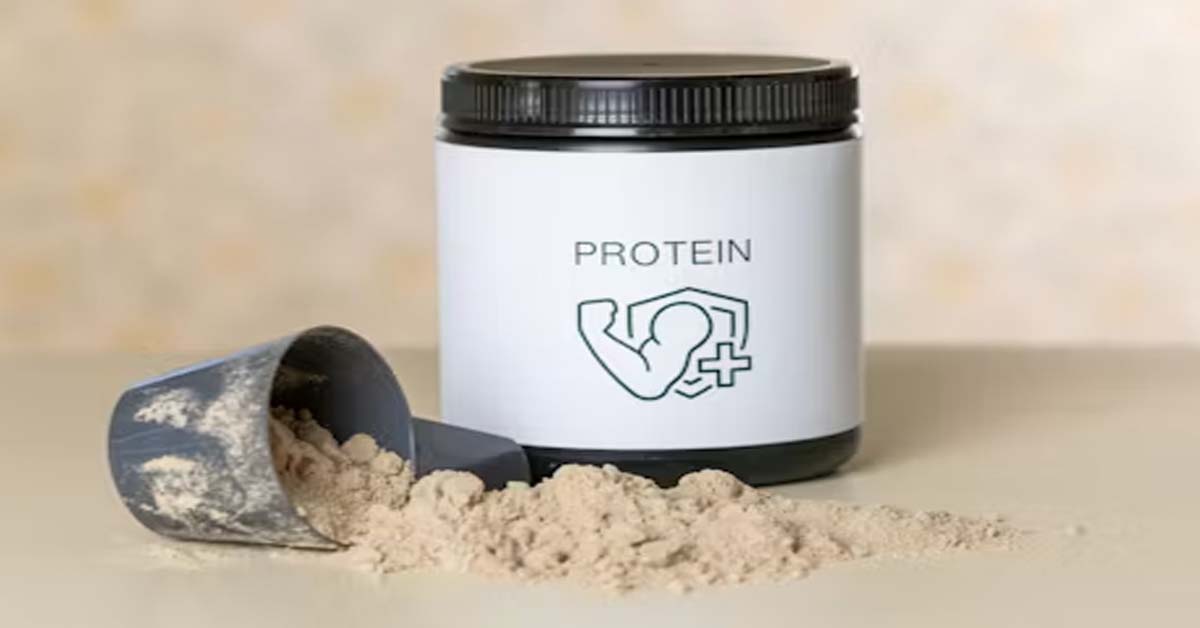
Protein Powder Guide: How to Choose the Right Option for Your Routine
Protein Powder Guide: How to Choose the Right Option for Your Routine
Protein is an important nutrient that helps the body grow, maintain tissues, and perform many everyday functions. It is naturally found in foods such as eggs, milk, yogurt, beans, lentils, fish, meat, nuts, seeds, and other foods.
Protein powders are concentrated dietary supplements designed to provide protein in a convenient form. They are widely available in different varieties, including whey, casein, soy, pea, rice, and blended formulas. However, more choices do not always mean that a supplement is necessary.
For many people, a balanced diet can provide sufficient protein without protein powder. This is particularly important for teenagers, whose nutritional needs are connected to normal growth and development. Anyone considering a protein supplement should discuss it with a parent or guardian and an appropriate healthcare professional, especially if there are allergies, medical conditions, dietary restrictions, or other concerns.
If you are researching protein powders, understanding the different types, labels, ingredients, and quality considerations can help you make informed decisions.
What Is Protein Powder?
Protein powder is a dietary supplement made by concentrating protein from a food source.
Depending on the product, the protein may come from dairy, eggs, plants, or other sources. Powders are often mixed into drinks or incorporated into foods.
Common protein sources include:
-
Whey protein
-
Casein protein
-
Soy protein
-
Pea protein
-
Rice protein
-
Egg protein
-
Plant-based protein blends
The nutritional composition differs from one product to another. Some powders contain mostly protein, while others may also include carbohydrates, fats, flavorings, sweeteners, vitamins, minerals, or additional ingredients.
This is why reading the label is more useful than choosing a product simply because it has an attractive package or popular name.
Why Do People Use Protein Powder?
Adults may use protein powder for convenience when it is difficult to obtain enough protein from regular meals. Some people also use it as part of specific nutrition plans developed with a qualified professional.
However, protein powder is not automatically better than protein-rich foods.
Whole foods can provide protein along with other nutrients. For example, beans and lentils can provide protein and fiber, while dairy foods can provide protein alongside other nutrients.
For teenagers, a balanced eating pattern should generally be the starting point rather than relying on supplements.
If you are unsure whether you are getting enough nutrition, speak with a parent or guardian and a doctor or registered dietitian rather than deciding that you need a supplement based on social media or fitness trends.
Protein Powder vs. Protein-Rich Foods
Protein powders are convenient, but convenience is only one factor to consider.
Regular foods can offer a wider combination of nutrients and can be part of normal meals and snacks.
Protein-rich foods include:
-
Eggs
-
Milk and yogurt
-
Cheese
-
Lentils
-
Chickpeas
-
Beans
-
Fish
-
Chicken
-
Meat
-
Soy foods
-
Nuts and seeds
A varied diet can provide protein without requiring a powdered supplement.
For young people who are still growing, focusing on regular balanced meals is especially important. Nutrition should support overall health and development rather than focusing on protein alone.
Understanding the Main Types of Protein Powder
There are several common categories of protein powder. Each has different characteristics.
Whey Protein
Whey is a milk-derived protein. It is commonly found in conventional protein powders.
Some products contain whey concentrate, while others use whey isolate. These forms differ in how they are processed and in their nutritional composition.
People with milk allergies need to be particularly careful with dairy-derived protein products.
Casein Protein
Casein is another milk-derived protein.
It is different from whey in its characteristics and digestion. Like other dairy-based products, it may not be appropriate for people with a milk allergy.
Soy Protein
Soy protein comes from soybeans and is a plant-based protein option.
It can be useful for people who prefer plant-based foods, although individual dietary needs and allergies should always be considered.
Pea Protein
Pea protein is made from peas and is commonly included in plant-based protein products.
Some people choose it as an alternative to dairy-based powders.
Rice Protein
Rice protein is another plant-derived option.
It is sometimes combined with other plant proteins in blended products to provide a broader amino-acid profile.
Plant Protein Blends
Some products combine several plant sources, such as pea, rice, soy, or other ingredients.
Blends can have different nutritional characteristics depending on their ingredients, so reading the complete label is important.
How to Read a Protein Powder Label
The front of a package can make a product look impressive, but the nutrition facts panel and ingredient list provide more useful information.
When examining a product, look at:
-
Serving size
-
Protein amount
-
Added sugars
-
Total calories
-
Fat and carbohydrate content
-
Ingredient list
-
Allergens
-
Artificial or natural flavorings
-
Sweeteners
-
Added vitamins and minerals
-
Manufacturer information
-
Quality-testing information when available
Do not judge a product by protein content alone.
A product may contain other ingredients that are important to understand, particularly if you have allergies or dietary restrictions.
Pay Attention to Serving Sizes
A label's nutrition information is normally based on a specified serving size.
Different products can define a serving differently, so comparing products requires looking at the actual serving size.
For example, one product may describe a serving as a certain number of scoops while another uses a different amount.
Always read the complete nutrition panel instead of comparing a large number printed on the front of one package with a different serving size from another product.
Check the Ingredient List
The ingredient list can tell you what the product actually contains.
Ingredients are generally listed in descending order by weight.
Look for the primary protein source and check whether the product contains ingredients you need to avoid.
People with food allergies should pay particular attention to allergen statements and manufacturing information.
If an ingredient is unfamiliar, do not assume that it is automatically safe simply because it appears in a popular product.
Be Careful With Added Ingredients
Some protein powders contain much more than protein.
Depending on the product, additional ingredients may include:
-
Added sugars
-
Sweeteners
-
Flavorings
-
Thickeners
-
Vitamins
-
Minerals
-
Caffeine
-
Herbal ingredients
-
Other dietary supplements
A simpler ingredient list may be easier to understand, but "natural" or "clean" labels do not automatically mean that a product is safer or better.
If a product contains stimulants, multiple supplements, or unfamiliar ingredients, it is especially important to seek professional advice before considering it.
Consider Allergies and Dietary Restrictions
Always check whether a product contains ingredients that could cause an allergic reaction or conflict with your dietary requirements.
Common allergens may include milk, soy, and eggs, depending on the product.
Some powders may also be manufactured in facilities that process other allergens.
If you have a known food allergy, carefully read the label and follow guidance from your healthcare professional.
Never rely solely on marketing claims such as "healthy," "natural," or "fitness-friendly" to determine whether a product is suitable.
Look for Reliable Quality Information
Dietary supplements are not all identical in quality.
When evaluating a supplement, consider whether the manufacturer provides clear information about its ingredients, manufacturing practices, and quality testing.
Independent testing or certification may provide additional information about product quality, although certification does not mean a supplement is necessary for everyone.
Avoid products that make extreme promises.
Claims suggesting that a powder can dramatically transform your body, provide instant results, or replace a healthy diet should be treated with skepticism.
Avoid Unnecessary Body-Transformation Claims
Social media has made protein powders and fitness supplements extremely popular.
However, online content may promote unrealistic expectations about appearance, muscle growth, or physical performance.
A healthy lifestyle should not be based on trying to copy another person's body.
For teenagers, growth and development naturally involve changes in body shape, height, weight, and physical abilities. Comparing yourself with influencers, athletes, or edited images can create unrealistic expectations.
Focus on health, strength, energy, learning, and overall well-being rather than trying to achieve a particular appearance.
Protein Powder Does Not Replace a Balanced Diet
A protein supplement should never be viewed as a replacement for nutritious meals.
The body needs a variety of nutrients, including carbohydrates, fats, protein, vitamins, minerals, fiber, and water.
A balanced eating pattern can include a variety of foods from different food groups.
For example, a meal might combine a protein-rich food with vegetables or fruit, grains or another carbohydrate source, and an appropriate source of healthy fats.
Protein is important, but it is only one part of nutrition.
Teenagers Should Be Especially Careful With Supplements
Teenagers are still growing and developing, so nutrition needs are different from those of adults.
There is often unnecessary pressure online to use protein powders, pre-workout products, or other fitness supplements.
Do not assume that a supplement is necessary simply because a friend, influencer, or athlete uses it.
If you are a teenager wondering whether you need additional protein or a supplement, talk with a parent or guardian and a doctor or registered dietitian. They can consider your age, growth, eating pattern, activity level, and individual needs.
This is much safer than trying to determine supplement use from online trends.
Common Mistakes When Choosing Protein Powder
Several mistakes can make supplement shopping unnecessarily complicated.
Choosing Based Only on Popularity
A product being popular online does not prove that it is appropriate for you.
Ignoring the Ingredient List
The protein number on the front is only part of the picture.
Assuming More Protein Is Always Better
Nutrition is about balance. More of one nutrient is not automatically better.
Buying Products With Extreme Claims
Be cautious of promises that sound too good to be true.
Replacing Meals With Supplements
Protein powder should not become a substitute for a varied eating pattern.
Copying Someone Else's Routine
Different people have different nutritional needs. A routine designed for one person may not be appropriate for another.
Questions to Ask Before Choosing a Product
If you are researching protein powders, consider these questions:
-
Do I actually need a supplement?
-
Can my normal meals provide the nutrition I need?
-
What is the primary protein source?
-
What other ingredients are included?
-
Are there allergens?
-
Does the product contain added sugars or stimulants?
-
Is the manufacturer transparent about quality?
-
Has a qualified professional recommended it for my specific situation?
If you cannot answer these questions confidently, it is better to pause and seek appropriate guidance.
How to Make Food the Foundation of Your Routine
For most people, a practical nutrition routine begins with regular meals and a variety of foods.
Instead of focusing exclusively on protein, build meals around a mixture of nutritious ingredients.
You can include foods such as:
-
Vegetables
-
Fruits
-
Whole grains
-
Beans and lentils
-
Dairy or suitable alternatives
-
Eggs
-
Nuts and seeds
-
Fish or other protein-rich foods
Eating a variety of foods helps provide different nutrients and makes meals more enjoyable.
For teenagers, parents, guardians, doctors, and registered dietitians can help with questions about individual nutrition needs.
When Professional Advice Is Important
Speak with a healthcare professional before considering a dietary supplement if you have a medical condition, food allergy, dietary restriction, digestive concerns, or other nutrition-related issue.
Professional guidance is also appropriate if you are worried about whether you are eating enough, getting adequate nutrients, or meeting the nutritional needs associated with growth and development.
A healthcare professional can help distinguish between a genuine nutritional need and a supplement trend.
Final Thoughts
Choosing a protein powder should never be about picking the product with the biggest number on the package or following whatever is popular online.
The most important questions are whether you actually need a supplement, what ingredients it contains, whether it is suitable for your individual circumstances, and whether your overall diet is balanced.
Protein-rich foods should generally remain an important part of everyday nutrition, while supplements should be approached carefully and with appropriate professional guidance.
For teenagers in particular, food-first nutrition, regular meals, healthy habits, adequate rest, and overall well-being are more important than chasing fitness trends or appearance goals.
If you are researching protein powders, become a careful label reader, question exaggerated claims, and ask a trusted adult and qualified healthcare professional for guidance when needed. Smart nutrition is not about finding a magical product—it is about making informed choices that support your overall health.