Smart Travel Planning: Essential Steps for a Smoother Trip
Smart Travel Planning: Essential Steps for a Smoother Trip
Travel can be exciting, refreshing, and full of memorable experiences, but a successful trip usually starts long before you reach your destination. Good planning helps you avoid unnecessary stress, control your spending, manage your time, and make better decisions while traveling.
Smart travel planning does not mean creating a strict schedule for every minute of your trip. Instead, it means preparing for the important things while leaving enough flexibility for unexpected changes and spontaneous experiences.
Whether you are planning a short weekend break, a family vacation, a road trip, or a longer international journey, a few practical steps can make the entire experience smoother. This guide explains the essential steps for planning a trip efficiently, from choosing a destination to organizing transportation, accommodation, documents, activities, and emergency plans.
1. Start by Defining Your Travel Goals
Before booking anything, think about what you want from your trip.
Different travelers have different priorities. Some people want relaxation, while others prefer sightseeing, adventure, shopping, history, food, nature, or cultural experiences.
Ask yourself:
-
Why am I taking this trip?
-
How many days do I have?
-
Who will be traveling with me?
-
What activities are most important?
-
Do I prefer a relaxed or busy itinerary?
-
What type of accommodation suits my needs?
Knowing your goals makes the rest of the planning process much easier.
For example, a traveler interested in museums and historical places may choose a destination with a rich cultural heritage. Someone looking for relaxation may prefer beaches, quiet towns, or nature-focused locations.
2. Choose the Right Destination
Once you understand your travel goals, research destinations that match them.
Do not choose a destination simply because it is popular on social media. Consider practical factors such as weather, transportation, accommodation costs, local attractions, travel requirements, and the amount of time available.
A destination that looks perfect for a two-week vacation may not be practical for a short three-day trip.
When comparing destinations, consider:
-
Travel distance
-
Transportation options
-
Seasonal weather
-
Accommodation availability
-
Attractions and activities
-
Local transportation
-
Typical costs
-
Travel documentation
-
Safety and local rules
Researching these details before making reservations can help you choose a destination that matches both your interests and your available resources.
3. Set a Realistic Travel Budget
One of the most important parts of smart travel planning is creating a realistic budget.
Your travel expenses may include much more than transportation and accommodation. Small expenses can quickly add up during a trip.
Create categories for:
-
Flights or other transportation
-
Accommodation
-
Food and drinks
-
Local transportation
-
Attractions and activities
-
Shopping
-
Travel documents or fees
-
Travel insurance, where appropriate
-
Emergency expenses
It is also wise to leave some money unallocated for unexpected costs.
A good travel budget should help you enjoy the trip without constantly worrying about how much you are spending.
4. Research the Best Time to Visit
Timing can have a major effect on your travel experience.
Before choosing your dates, research the destination's seasons, weather patterns, public holidays, school holidays, and major events.
Peak travel periods can mean:
-
Higher accommodation prices
-
More crowded attractions
-
Busier transportation
-
Less availability
-
Longer waiting times
Traveling during a quieter period may provide better value and a more relaxed experience, although weather and seasonal closures should also be considered.
The best travel period depends on what you want to do at the destination.
5. Organize Your Travel Documents
Travel documents should be handled well in advance, especially for international trips.
Depending on your destination, you may need a passport, visa, identification documents, booking confirmations, or other paperwork.
Check the official requirements for your destination before making final plans.
Keep important documents organized and make secure backup copies of essential information. You should also know where your original documents are stored during the journey.
Do not wait until the last few days to discover that an important document has expired or that additional requirements apply.
6. Compare Transportation Options
Transportation is another major part of trip planning.
Depending on your destination, you may have several options, including:
-
Air travel
-
Trains
-
Buses
-
Rental cars
-
Ferries
-
Local public transportation
-
Taxis or ride services
Do not automatically choose the cheapest option. Consider the complete journey.
A cheaper flight might involve inconvenient departure times or long connections. A slightly more expensive option may save several hours and make your trip easier.
For local transportation, research how visitors normally move around the destination. Understanding public transportation routes, airport transfers, and walking distances can prevent confusion after arrival.
7. Choose Accommodation Carefully
Where you stay can significantly affect your travel experience.
When comparing hotels, guesthouses, apartments, or other accommodation options, consider more than the price.
Look at:
-
Location
-
Transportation access
-
Reviews
-
Room facilities
-
Check-in and check-out times
-
Cancellation policies
-
Nearby restaurants and shops
-
Distance from major attractions
A cheap room located far away from everything may cost more in transportation and time.
For many travelers, a slightly more central location can provide better overall value.
Always check the property's current policies before confirming a reservation.
8. Build a Flexible Itinerary
A good itinerary gives your trip structure without making every moment feel like an obligation.
Start by listing the attractions and activities you most want to experience. Then organize them according to location and opening times.
Avoid putting too many activities into a single day.
For example, instead of visiting five distant attractions in one day, choose two or three nearby places and allow time for meals, transportation, breaks, and unexpected discoveries.
A flexible itinerary also gives you room to change plans if the weather changes or an attraction becomes unavailable.
9. Group Activities by Location
One simple travel-planning technique can save a surprising amount of time: group activities that are close together.
Look at your destination on a map and identify attractions located in the same area.
You can then plan one part of your day around that neighborhood or district.
This reduces unnecessary travel and allows you to spend more time experiencing the destination.
It can also make your trip less tiring, especially when traveling with family or during longer sightseeing days.
10. Research Local Customs and Rules
Every destination has its own customs, traditions, and expectations.
Before traveling, learn about local etiquette and important rules.
Research topics such as:
-
Appropriate clothing
-
Photography restrictions
-
Public behavior
-
Tipping practices
-
Religious or cultural customs
-
Transportation etiquette
-
Local laws
Respecting local customs is an important part of responsible travel.
It can also help you communicate more confidently and avoid accidental misunderstandings.
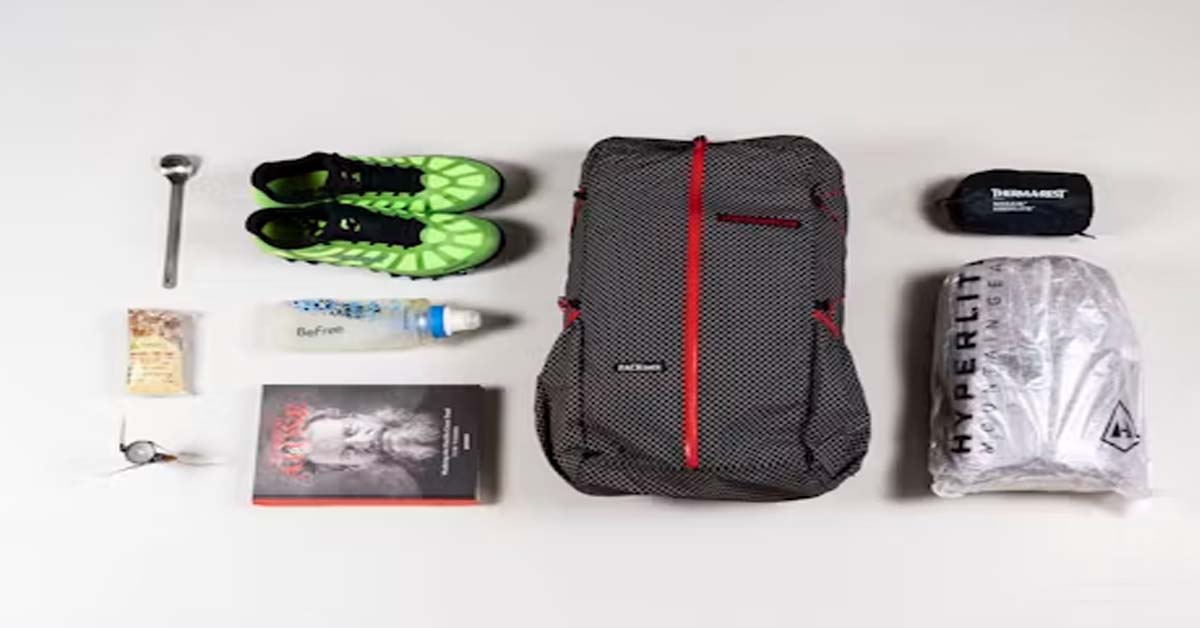
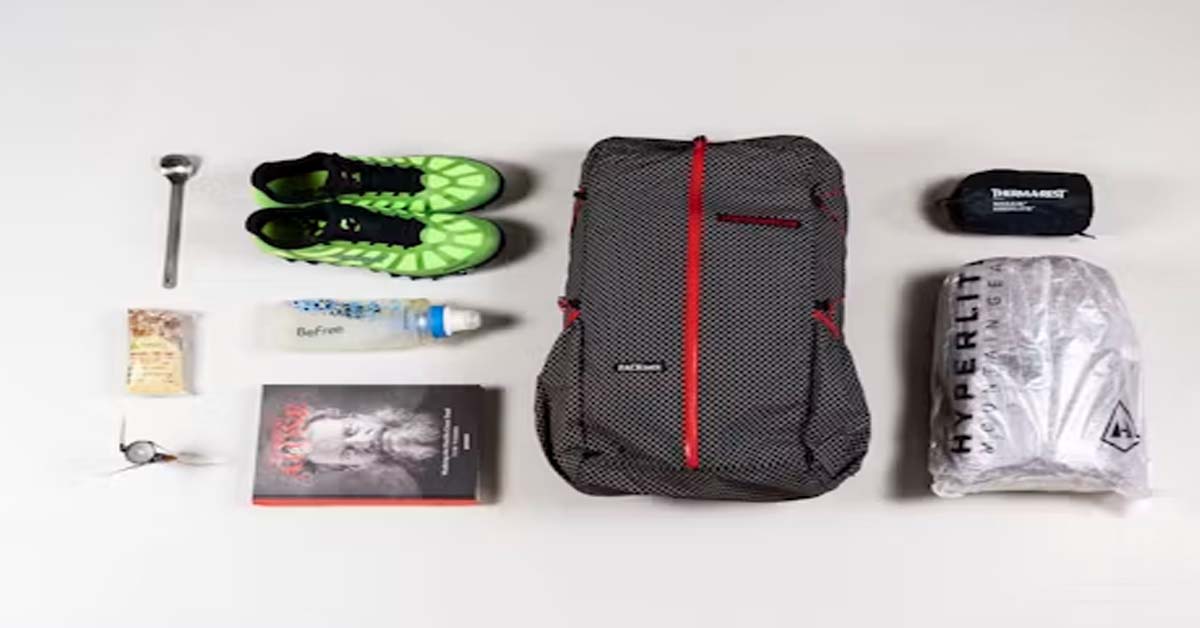
11. Plan What to Pack
Packing should be based on your destination, weather, activities, and trip length.
Instead of packing everything you own, create a practical checklist.
Consider:
-
Everyday clothing
-
Comfortable footwear
-
Weather-appropriate layers
-
Toiletries
-
Chargers
-
Necessary medications
-
Travel documents
-
Small personal items
-
A reusable water bottle where appropriate
Check the expected weather before finalizing your luggage.
For longer trips, versatile clothing that can be combined in different ways can reduce the amount you need to carry.
12. Keep Important Information Organized
Travel becomes much easier when important information is easy to find.
Create one organized place for your:
-
Transportation details
-
Accommodation information
-
Important phone numbers
-
Reservation confirmations
-
Destination addresses
-
Activity bookings
-
Emergency contacts
You can keep digital copies on your phone, but it is also useful to have access to important information if your phone battery or internet connection becomes unavailable.
Organization is especially helpful when changing transportation or checking into accommodation.
13. Prepare for Connectivity
Internet access can be extremely useful when traveling.
Before leaving, find out how you will access maps, messages, transportation information, and other essential services.
Depending on your destination and device, options may include local mobile service, roaming, or Wi-Fi.
It is also helpful to download important maps or information for offline use when possible.
Remember that internet access is not guaranteed everywhere, so avoid depending entirely on a live connection.
14. Plan for Unexpected Changes
Even the best travel plans can change.
Flights may be delayed, weather can disrupt activities, attractions can close, and transportation schedules can change.
Instead of creating a plan that depends on everything happening perfectly, build some flexibility into your schedule.
Keep alternative activities in mind.
For example, if your outdoor sightseeing plan depends on good weather, identify an indoor attraction you could visit instead.
This simple approach can prevent a small change from ruining an entire day.
15. Keep Emergency Planning Simple
Emergency planning does not have to be complicated.
Before your trip, know how to contact local emergency services and identify important nearby facilities when appropriate.
Keep essential contact information accessible and make sure someone you trust knows your general travel plans when appropriate.
If traveling internationally, familiarize yourself with relevant embassy or consular information and local emergency procedures.
The goal is not to worry about everything that could go wrong. The goal is to know what to do if something unexpected happens.
16. Protect Your Important Belongings
Travelers should pay attention to their personal belongings, particularly in busy transportation areas and crowded tourist locations.
Keep important items organized and avoid carrying unnecessary valuables.
Use secure storage provided by accommodation when appropriate, and stay aware of your belongings while moving through crowded areas.
Being organized and attentive can reduce the chances of losing something important.
17. Research Food Options Before You Arrive
Food is often one of the most enjoyable parts of travel.
Researching food options before arrival can help you discover local specialties and identify places that fit your needs.
You can create a short list of:
-
Local dishes to try
-
Popular food areas
-
Restaurants near your accommodation
-
Affordable meal options
-
Places suitable for special dietary needs
However, do not plan every meal too strictly. Leaving some space for spontaneous discoveries can make your trip more enjoyable.
18. Avoid Overplanning
Smart planning does not mean planning everything.
One common travel mistake is creating an itinerary so full that there is no time to relax.
Travel should include space for:
-
Rest
-
Meals
-
Walking around
-
Unexpected discoveries
-
Delays
-
Personal time
A relaxed schedule often creates better memories than rushing from one attraction to another.
Think of your itinerary as a guide rather than a contract.
19. Review Everything Before Departure
A few days before your trip, review your plans.
Check:
-
Travel dates
-
Transportation times
-
Accommodation details
-
Required documents
-
Weather forecasts
-
Activity opening times
-
Packing checklist
-
Important contact information
This final review can help identify problems while there is still time to fix them.
Also check transportation schedules again close to departure because schedules can change.
20. Focus on the Experience
Finally, remember why you planned the trip in the first place.
Travel is not simply about checking destinations off a list. It is about experiencing new places, learning about different cultures, spending time with people you care about, and creating meaningful memories.
If something does not go exactly according to plan, try to stay flexible.
A delayed activity or unexpected change does not necessarily mean the trip has gone badly. Sometimes the most memorable moments come from experiences that were never included in the original itinerary.
Final Thoughts
Smart travel planning is about preparation, organization, flexibility, and realistic expectations. By choosing the right destination, setting a budget, researching transportation and accommodation, organizing documents, creating a flexible itinerary, and preparing for unexpected changes, you can make your journey considerably smoother.
The most effective travel plan is not necessarily the most complicated one. It is a plan that covers the important details while leaving enough room to enjoy the destination.
Start planning early, research carefully, keep your essential information organized, and give yourself time to relax. With these simple habits, you can spend less energy dealing with avoidable problems and more time enjoying the journey.