Transform Your Home and Garden With Practical Ideas for Better Living
Transform Your Home and Garden With Practical Ideas for Better Living
Your home should be a place where you feel comfortable, organized, and relaxed. Your garden, balcony, patio, or outdoor area can provide an additional space for enjoying nature, spending time with family, entertaining guests, or simply taking a break from a busy routine.
Transforming a home and garden does not necessarily require a major renovation or a large budget. Often, the biggest improvements come from practical changes that make a space easier to use, more organized, and more enjoyable.
From improving storage and lighting to choosing suitable furniture, adding plants, creating relaxing outdoor areas, and developing simple maintenance routines, there are many ways to make your surroundings work better for everyday life.
Start by Understanding Your Space
Before buying furniture, decorations, plants, or other items, take a close look at the space you already have.
Think about how each room or outdoor area is currently being used. Identify areas that feel crowded, empty, difficult to organize, or uncomfortable.
Ask yourself:
-
What works well in this space?
-
What causes the most inconvenience?
-
Which items are rarely used?
-
Where is additional storage needed?
-
How could the space serve more than one purpose?
This simple assessment can help you prioritize improvements instead of spending money on things you do not actually need.
Declutter Before You Decorate
One of the easiest ways to transform a home is to remove unnecessary clutter.
A crowded room can feel smaller and more difficult to maintain. Before adding new decorations, go through your belongings and separate items into useful categories.
You might have things that you:
-
Use regularly
-
Use occasionally
-
Need to repair
-
No longer need
-
Have duplicates of
Removing unnecessary items creates more usable space and makes organization much easier.
Decluttering does not mean throwing everything away. Items that are useful or meaningful can remain; the goal is to make your home easier to manage.
Create Smart Storage Solutions
Storage can make a major difference in almost every home.
Instead of allowing belongings to spread across tables, floors, and other surfaces, create specific places for them.
Practical storage options include:
-
Shelves
-
Cabinets
-
Baskets
-
Storage boxes
-
Drawer organizers
-
Wall-mounted storage
-
Under-bed containers
Use easily accessible storage for things you use frequently. Seasonal or rarely used items can be placed in less accessible areas.
Good storage should make everyday life easier rather than simply hiding clutter.
Improve Your Home's Lighting
Lighting can change the atmosphere and functionality of a room.
Where possible, make use of natural daylight by keeping windows clear and using suitable curtains or blinds.
For artificial lighting, think about what each area is used for.
A study or work area may need focused lighting, while a living room may benefit from a combination of general and softer lighting.
Bedrooms can also benefit from comfortable lighting that supports a relaxing atmosphere.
You do not necessarily need to replace every light fixture. Sometimes changing a bulb, adding a lamp, or repositioning furniture can improve the way light is used.
Choose Furniture Based on Function
Furniture should fit both your space and your lifestyle.
Before purchasing a new piece, measure the available area. Remember to consider doors, walkways, windows, and other furniture.
For smaller spaces, multifunctional furniture can be especially useful.
Examples include:
-
Storage ottomans
-
Foldable tables
-
Shelving units
-
Sofa beds
-
Nesting tables
-
Benches with storage
The objective is not to fill every empty area. Leave enough space for people to move around comfortably.
Create a Comfortable Living Room
The living room is often one of the most frequently used areas of a home.
Start by arranging furniture around the way people actually use the room.
Create comfortable seating and leave clear pathways through the space.
You can add personality with:
-
Cushions
-
Rugs
-
Artwork
-
Books
-
Plants
-
Decorative objects
Avoid adding too many accessories. A few carefully chosen pieces can make the room feel more intentional and organized.
Make Your Kitchen More Practical
A well-organized kitchen can make cooking and cleaning much easier.
Group similar items together. For example, keep cooking utensils in one area, everyday dishes in another, and frequently used ingredients somewhere convenient.
Use containers or organizers where they genuinely improve accessibility.
Regularly check your pantry and refrigerator. Remove expired items and keep commonly used ingredients visible.
You can also make better use of vertical space by using suitable shelves or storage solutions.
A practical kitchen does not have to look like a showroom. It simply needs to work efficiently for the people who use it.
Design a More Relaxing Bedroom
The bedroom should be a comfortable place for rest.
Avoid unnecessary clutter around the bed and keep frequently used items organized.
Choose bedding that feels comfortable and suitable for the season.
You can also create a calmer atmosphere by keeping the room visually simple and reducing unnecessary distractions.
Storage solutions can be particularly useful for keeping clothing and personal belongings organized.
Build a Functional Study or Work Area
If you study or work at home, create a dedicated area where possible.
A suitable desk, comfortable seating, adequate lighting, and organized storage can make the space easier to use.
Keep only frequently needed items on the desk and store everything else nearby.
If the same room has multiple purposes, use furniture or storage to visually separate different activities.
Add Indoor Plants
Plants can introduce natural elements into indoor spaces.
Before purchasing a plant, consider its requirements for light, water, temperature, humidity, and space.
Not every plant is suitable for every room.
Avoid choosing plants purely because they are popular online. Select varieties that can realistically thrive in your home's conditions.
Remember that some plants can be harmful to pets if eaten, so research plant safety if animals share your home.
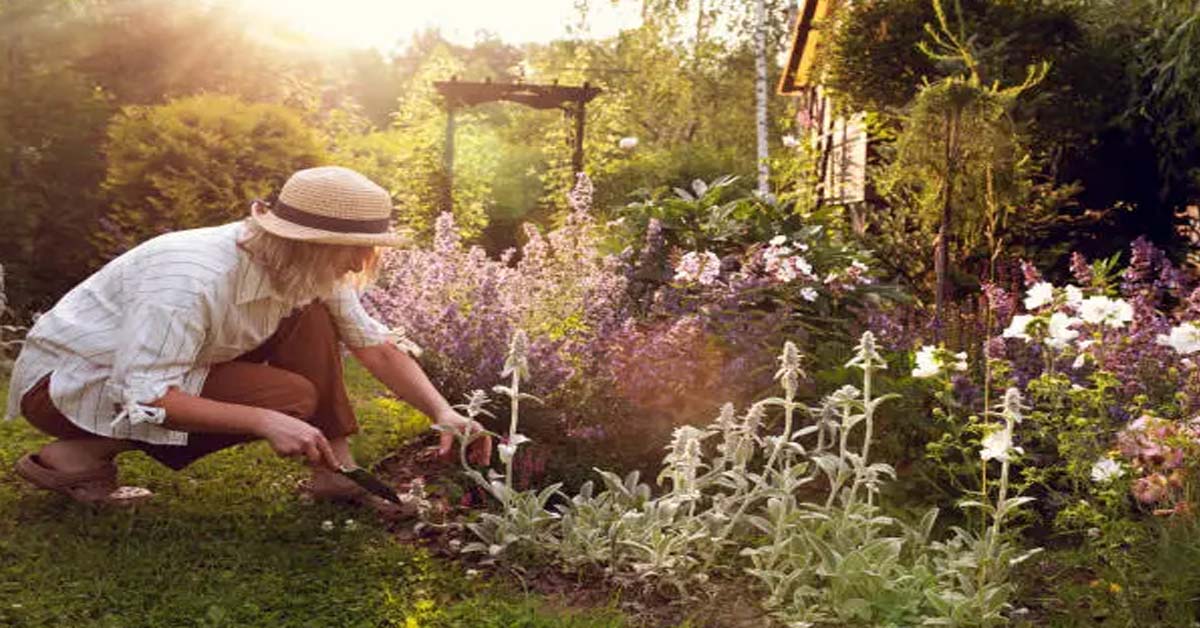
Transform Your Garden Gradually
You do not need to redesign an entire garden at once.
Start with one area and improve it gradually.
You might begin by:
-
Removing unnecessary items.
-
Cleaning the space.
-
Improving soil where appropriate.
-
Choosing suitable plants.
-
Creating a simple seating area.
-
Adding practical lighting.
-
Establishing a manageable maintenance routine.
Working in stages makes garden projects easier to control and can reduce unnecessary spending.
Choose Plants for Your Local Conditions
Plant selection is one of the most important gardening decisions.
Before buying plants, consider:
-
Local climate
-
Sunlight
-
Soil conditions
-
Water availability
-
Seasonal temperatures
-
Available space
-
Maintenance requirements
A plant that thrives in one region may struggle in another.
Local nurseries, gardening professionals, and reliable horticultural resources can provide useful information about plants suited to your area.
Create a Small Herb Garden
A herb garden can be a practical addition to many outdoor spaces.
Depending on your local conditions, herbs such as mint, basil, coriander, rosemary, or other suitable varieties may be options.
Container gardening can be useful when outdoor space is limited.
Use containers with suitable drainage and provide plants with the light and water they require.
Growing a few herbs can be a simple way to introduce gardening into everyday life.
Make the Garden More Comfortable
A garden can become an extension of your living space.
Consider adding a comfortable seating area where appropriate.
Depending on your available space, this might be:
-
A small table and chairs
-
A garden bench
-
Outdoor cushions
-
A shaded sitting area
-
A balcony seating arrangement
Choose outdoor furniture that is suitable for your local weather conditions and maintain it according to the manufacturer's recommendations.
Add a Simple Outdoor Entertaining Area
If you regularly spend time with family or friends outdoors, create an area designed for gathering.
A small table, comfortable seating, suitable lighting, and easy access to the house can make an outdoor area more useful.
You do not need a large patio.
Even a small balcony, courtyard, rooftop, or garden corner can be arranged thoughtfully.
Use Outdoor Lighting Carefully
Outdoor lighting can make gardens, pathways, patios, and entrances more practical after dark.
Consider lighting areas where visibility is particularly useful, such as walkways and entrances.
Decorative lighting can also create atmosphere, but electrical equipment used outdoors should be suitable for outdoor conditions and installed safely.
For electrical work or permanent installations, professional assistance may be appropriate.
Improve Your Garden's Maintenance Routine
A beautiful garden requires maintenance.
However, maintenance does not need to become overwhelming if you establish a simple routine.
Depending on your garden, regular tasks may include:
-
Watering
-
Removing weeds
-
Pruning
-
Cleaning pathways
-
Checking plants
-
Removing damaged leaves
-
Maintaining containers
-
Cleaning outdoor furniture
Break larger tasks into smaller jobs.
A few minutes of regular maintenance can be easier than allowing everything to accumulate into one large project.
Think About Water Efficiency
Water is an important consideration in gardening.
Avoid automatically watering every plant according to the same schedule. Different plants have different requirements.
Watering needs can also change according to weather and season.
Choose plants that are appropriate for your local conditions and use suitable watering practices.
If you are making significant changes to a garden, consider water-efficient landscaping approaches that suit your climate.
Create a Sustainable Home
A practical home can also be a more environmentally conscious one.
Simple habits can include:
-
Repairing items when practical
-
Reusing suitable containers
-
Reducing unnecessary waste
-
Choosing durable products
-
Avoiding unnecessary purchases
-
Recycling where appropriate
-
Using energy and water thoughtfully
Sustainability does not require completely changing your lifestyle. Small consistent decisions can contribute to more responsible household management.
Make Your Home Pet-Friendly
If you have pets, consider their needs when changing your home or garden.
Keep potentially dangerous household products securely stored and choose pet-safe furniture, plants, and accessories where appropriate.
Create a comfortable resting area for your pet and keep food and water areas clean.
Outdoor spaces should also be secure and suitable for the type of animal you have.
Before introducing a new plant, cleaning product, or household item, check whether it could be harmful to your pet.
Use Color Strategically
Color can influence the visual character of a room.
You do not need to repaint your entire home to introduce a new color scheme.
Consider adding color through:
-
Curtains
-
Cushions
-
Rugs
-
Artwork
-
Bedding
-
Plants
-
Decorative accessories
If you prefer a calm appearance, neutral colors can provide a flexible foundation. Accent colors can then add personality without overwhelming the room.
Create Flexible Spaces
Modern homes often need to serve several purposes.
A dining area might also function as a study space. A living room might need to accommodate guests, relaxation, and hobbies.
Flexible furniture and smart storage can make these transitions easier.
Instead of designing every room for only one purpose, consider how the space could serve your household throughout the day.
Make Improvements According to Your Budget
Home improvement can quickly become expensive if you try to change everything at once.
Create a priority list.
Start with problems that affect everyday life, such as insufficient storage, poor lighting, damaged furniture, or difficult-to-maintain areas.
Then work toward decorative improvements.
A useful approach is to divide projects into:
Essential: Repairs, safety issues, and functional problems.
Useful: Storage, organization, lighting, and comfort improvements.
Optional: Decorative upgrades and aesthetic changes.
This helps you spend money where it provides the greatest practical benefit.
Avoid Following Every Home Trend
Home and garden trends can provide inspiration, but not every trend will suit your space.
Before adopting a popular design, consider whether it works with your lifestyle, climate, budget, and maintenance preferences.
A timeless and practical home is often more satisfying than one that constantly needs to be redesigned to follow changing trends.
Choose elements that you genuinely enjoy and that make your everyday life easier.
Maintain Your Improvements
After transforming your home and garden, maintenance is essential.
Create simple routines for cleaning, organizing, gardening, and checking household items.
Regularly inspect furniture, outdoor structures, lighting, storage systems, and other frequently used features.
Address small problems when practical rather than allowing them to become larger issues.
Maintenance protects the time and money you have already invested in your home.
Final Thoughts
Transforming your home and garden does not require a huge budget, a massive renovation, or a perfect design.
Start by understanding how you use your space. Declutter unnecessary items, improve storage, choose functional furniture, make better use of lighting, and introduce decoration gradually.
For outdoor areas, select plants that suit your local conditions, create comfortable spaces for relaxation, and develop a simple maintenance routine.
Most importantly, design your home around real life rather than trends. A successful home should be comfortable, practical, organized, and suited to the people who live there.
Whether you have a large house and garden or a small apartment with a balcony, thoughtful improvements can make your surroundings more enjoyable. Focus on one area at a time, prioritize practical needs, and let your home evolve naturally as your lifestyle changes.